
From Industrial Robots to Everyday Life: My Journey into Service Robots – Part 1
05 Feb 2026
How Robotics Safety and Design Shape Human Trust
Over the past few years, I’ve spent a surprising amount of time reading about service robots research papers, industry reports, safety standards, and all kinds of articles from around the world. But honestly, my interest didn’t begin in a meeting room or by reading a standard. It began the moment I saw a robot “in the wild” for the very first time.
A few years ago, I was in Cambridge, UK, when I spotted a small delivery robot rolling down a quiet residential street, carrying groceries from a local supermarket. People walked past it without even noticing. But I stood there, completely fascinated. Watching this little machine navigate curbs, avoid pedestrians, and mind its own business made me realise something that service robots aren’t the future but they’re already here.
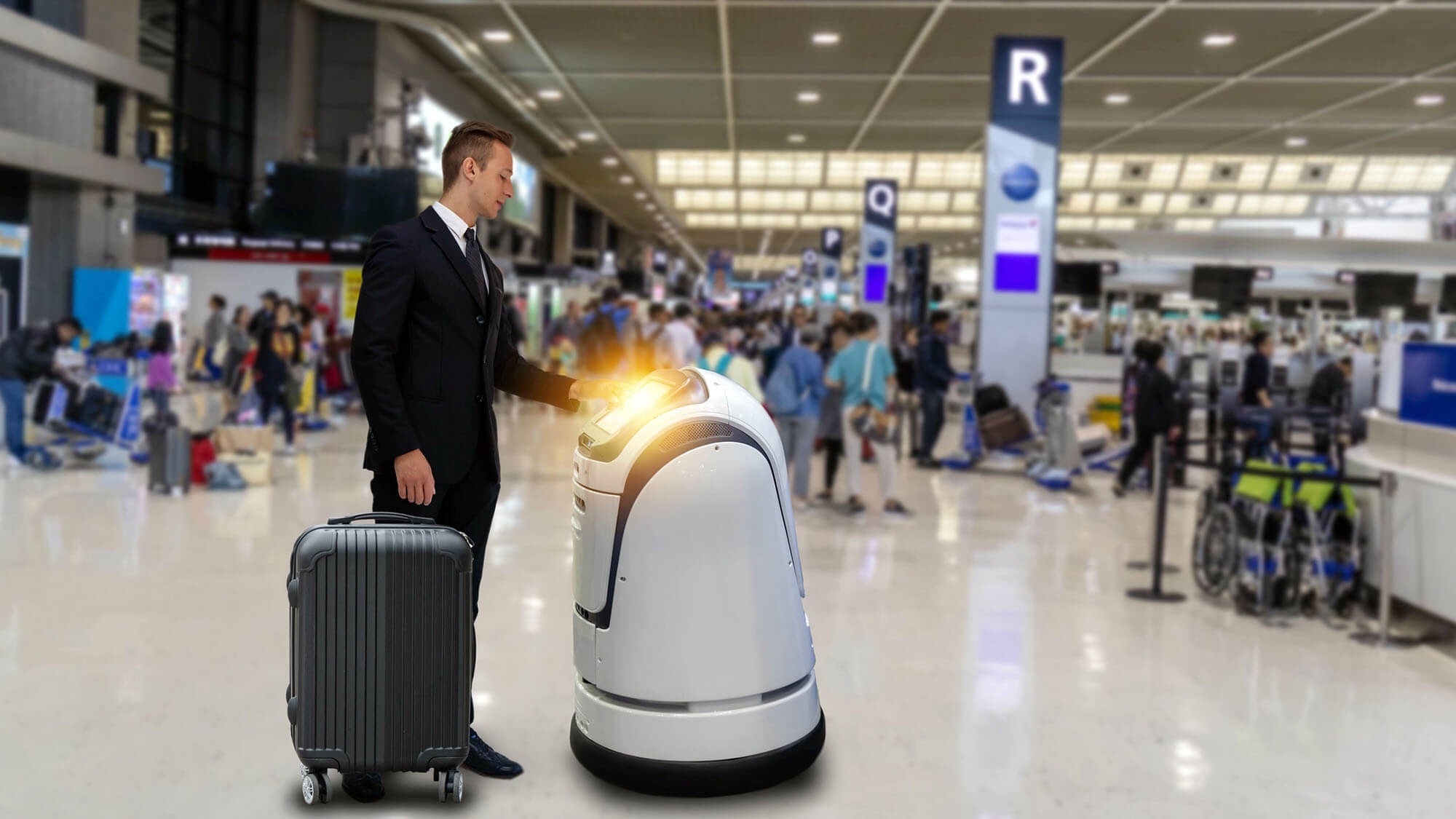
Later, during visits to China and Japan, I saw even more. Robots greeting guests in hotel lobbies. Robots guiding visitors to check-in counters. Robots taking orders in restaurants and delivering food straight to the table. In some places, robots were not special or surprising, they were simply part of daily life. Seeing all this in person made me curious. How do these robots work safely around humans? What makes people trust them? What goes on behind the scenes to ensure they behave properly in such busy public spaces?
I joined ISO/TC 299 WG2, the international working group responsible for developing safety standards for service robots. Being inside the committee gave me a completely new perspective. I realised that behind every robot we casually walk past, whether in a hotel, restaurant, hospital, or supermarket, there is an enormous amount of thought, design, testing, and safety work that most people never see.
Service robots are not like industrial robots operated safely behind fences. They move freely in environments full of unpredictable human behaviour, e.g., children running suddenly, elderly users walking slowly, people distracted by their phones, crowded aisles, noisy rooms, slippery floors, curious hands reaching out to touch them. A service robot must remain safe in all these situations, not just in ideal ones.
That is why safety and design matter so much. A service robot must move gently and smoothly. It must stop calmly when something unexpected happens. It must never surprise people with sudden movements. It must be safe to touch, safe to approach, and safe even when someone interacts with it “incorrectly.” Good robots are not just technically capable, they are polite, predictable, and easy for people to understand without thinking.
In this blog series, I want to share some of my thoughts and observations from studying service robots and working with ISO standards. My goal is not to explain every technical detail or repeat the exact wording of the standards. Instead, I want to talk about what really matters, how service robots fit into everyday life, how they stay safe, how they are tested, and what challenges designers and manufacturers face along the way.
Service robots are becoming more common every year, but trust is what truly determines whether people accept them. And trust comes from safety, thoughtful design, calm behaviour, and a deep understanding of how humans and robots share space.
In the next blog, I will talk about one of the most important topics in service robotics: human factors, how people react to robots, how robots should behave around us, and why understanding human nature is just as important as understanding technology.

You may be interested in...
Robots & Robotic Testing and Certification Solutions
From collaborative robots in the automotive industry, to autonomous mobile storage for the retail industry, to robotic personal assistants in your day-to-day activities, Intertek supports the robotic industry across the new industrial revolution.