
CES and the Smart Home’s Next Evolution
06 Feb 2026
The Convergence of Life Safety and Security and AI
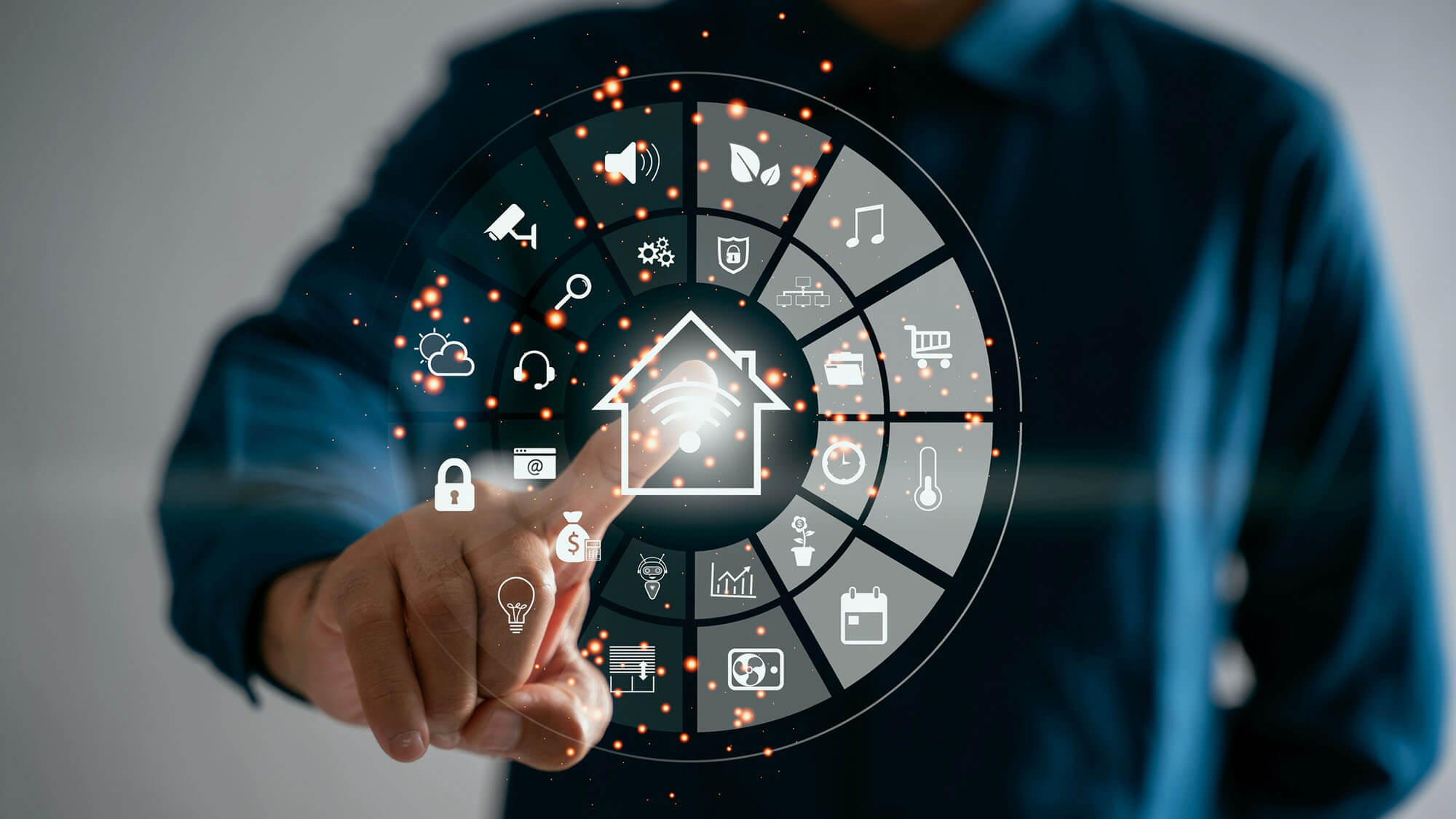
Every year, CES offers a glimpse into the future of the connected home. But this year, one theme rose clearly above the rest: the smart home is no longer just about convenience, it’s becoming an intelligent guardian. Across exhibits and product announcements, life safety and security devices were no longer treated as isolated systems, but as deeply integrated components of a broader, AI-powered home ecosystem. The result is a shift from reactive alerts to proactive protection, where homes can sense risk earlier, understand context, and respond in smarter, more meaningful ways.
From Simple Sensors to Intelligent Awareness
Traditional life-safety devices have always been binary: smoke detected or not, door open or closed, motion sensed or idle. At CES, it was clear those days are ending. Next-generation smoke and carbon monoxide alarms are evolving into intelligent sensing platforms. Rather than triggering solely on a threshold, these devices are beginning to analyze patterns, differentiating between a burnt piece of toast and a dangerous, fast-spreading fire. AI helps reduce nuisance alarms while ensuring true emergencies are escalated faster and more reliably.
Security sensors are undergoing the same transformation. Motion detectors and cameras are no longer just watching, they are interpreting. AI allows systems to distinguish between a pet, a family member, a delivery, or a genuine intrusion. The result is fewer false alerts and more confidence that when the system speaks up, it truly matters.
Security and Life Safety Are Finally Speaking the Same Language
One of the most notable shifts at CES was how life safety and security are merging into a single, coordinated system. Smoke alarms, CO detectors, water sensors, cameras, locks, and burglar alarms are increasingly designed to work together. If smoke is detected, doors can unlock to provide a clear exit. Cameras can automatically assess the situation. Alerts can be escalated intelligently based on severity, occupancy, and time of day.
This convergence turns the home into a responsive environment, not just a collection of standalone devices. Safety events are no longer isolated moments; we see them becoming part of a broader situational understanding of what’s happening inside the home.
AI Brings Context, Not Just Automation
What made CES particularly compelling this year was how AI is being used not for novelty, but for context and judgment. Instead of relying on manual rules or rigid automation, systems are learning normal patterns of daily life: when people are home, how spaces are used, what “normal” looks like. When something breaks that pattern, the system can react accordingly.
- For life safety, this means earlier detection and smarter escalation.
- For security, it means understanding intent, not just movement.
- For homeowners, it means fewer interruptions and more meaningful protection.
AI also plays a key role in visual verification, where cameras can assess smoke, fire, or unusual activity and provide clearer information during emergencies and they are helping homeowners and monitoring services respond with greater accuracy.
Reliability and Resilience Take Center Stage
Another important trend was a renewed focus on reliability. Safety and security systems must function even when the unexpected happens like power outages, Wi-Fi failures, or network disruptions. CES showcased a growing emphasis on resilient connectivity, backup communication paths, and mesh-style networks that keep critical safety devices online when traditional connections fail. This is a subtle but vital shift: intelligence means very little if a system goes dark when it’s needed most.
The End of the Siloed Smart Home
Perhaps the most encouraging takeaway from CES was the move toward open ecosystems and interoperability. The industry is increasingly acknowledging that safety and security devices must work across platforms and brands. As standards mature and ecosystems open up, homeowners can expect life-safety devices to integrate seamlessly with lighting, locks, HVAC, and security systems (regardless of manufacturer). This openness enables faster response times, richer automation, and safer outcomes without locking consumers into a single ecosystem.
What This Means for the Future of Smart Homes
CES made one thing clear: the future smart home will be judged less by how convenient it is and more by how well it protects. Life safety and security are becoming intelligent, adaptive, and deeply interconnected. AI is transforming alarms into awareness, cameras into understanding, and homes into environments that actively look out for the people inside them.
This evolution isn’t about flashy gadgets; it’s about trust. Trust that your home can recognize danger, reduce noise, respond intelligently, and stay reliable when it matters most. And after CES, it’s clear that this future isn’t far away, it’s already taking shape.

You may be interested in...
Intertek Life Safety and Security Solutions
Intertek has been at the forefront of shaping the life safety and security industry from contributing to standard-writing committees to collaborating with AHJs and driving innovative testing and certification solutions, we've been a trusted partner every step of the way.