
Advancing Smoke Detection with Real-World Fire Research
17 Jul 2026
As Fire Risks Evolve, So Must the Technologies Designed to Detect Them
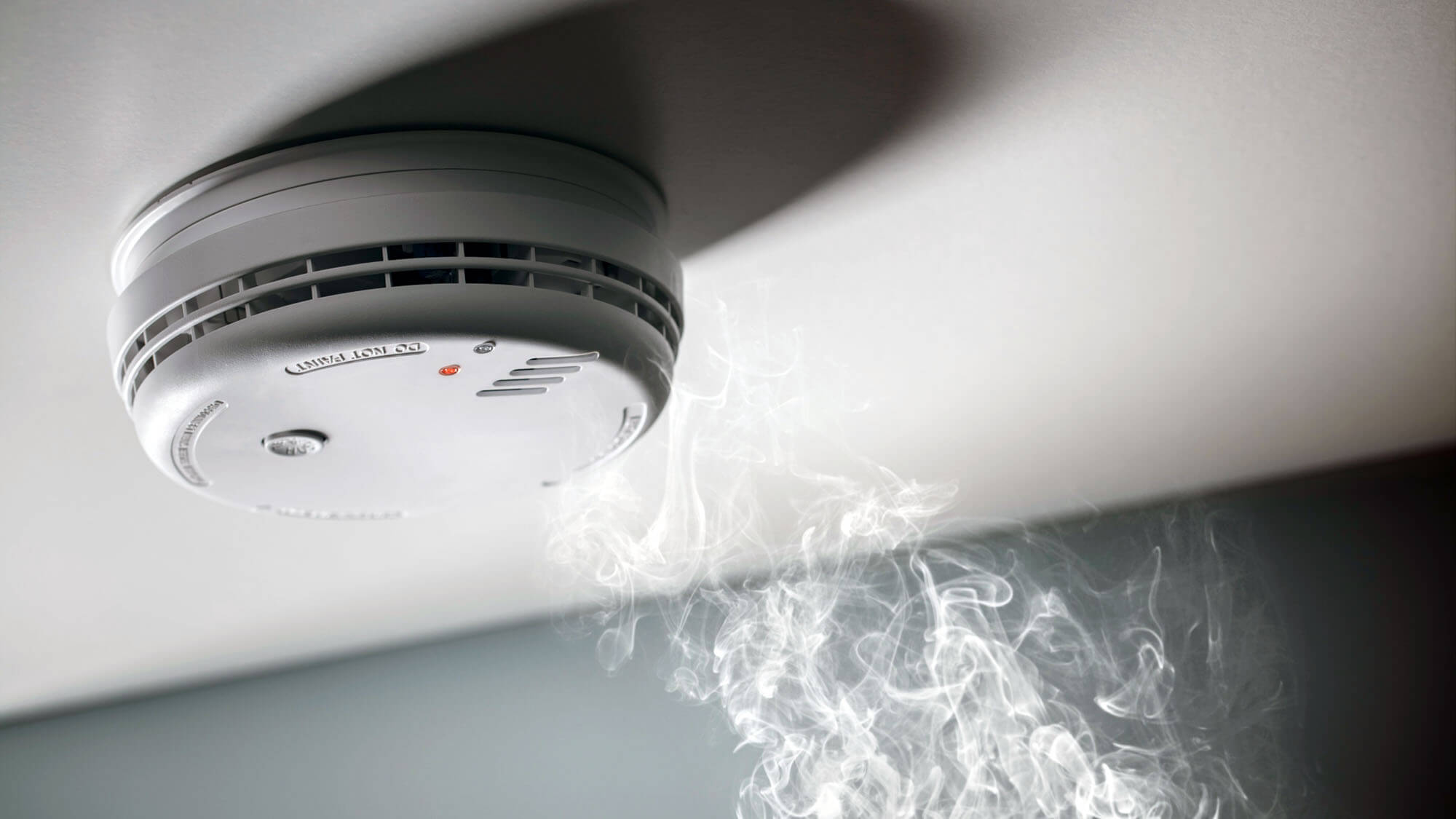
Smoke alarms remain one of the most effective life safety technologies in residential environments, yet evolving fire dynamics continue to challenge their performance. Today’s homes are filled with synthetic materials that ignite faster, burn hotter, and produce denser smoke than traditional furnishings. Coupled with open floor plans that allow smoke and heat to spread more rapidly, these changes significantly reduce the time occupants have to escape. At the same time, nuisance alarms triggered by everyday activities like cooking or steam can erode trust, leading occupants to disable devices altogether.
For manufacturers, striking the right balance between rapid fire detection and nuisance alarm resistance has never been more important, and more complex.
Bringing Realism into Fire Testing
Fire room research testing offers a powerful solution. Unlike bench-scale testing, this approach evaluates smoke alarms and detectors in controlled environments that replicate real residential fire conditions. By simulating both smoldering and flaming fires, as well as nuisance scenarios like cooking emissions, manufacturers can observe how devices respond to dynamic factors such as smoke movement, heat buildup, and combustion chemistry.
This level of realism allows engineers to assess critical performance metrics including activation time, sensitivity, and the ability to distinguish between true fire events and non-threatening conditions. It’s also central to meeting evolving standards such as UL 217 and UL 268, which increasingly emphasize both fire responsiveness and nuisance alarm reduction.
Improving Life Safety Outcomes
Research shows that while smoke alarms are present in the vast majority of homes, a significant portion are disabled or non-operational, often due to nuisance alarms. This creates a serious safety gap. Fire room research testing helps close that gap by enabling manufacturers to develop smarter detection technologies, including multi-criteria sensors and advanced algorithms that improve reliability without compromising sensitivity.
The result is earlier warning in real fire scenarios, fewer false alarms, and greater user confidence; factors that directly contribute to reducing fire-related injuries and fatalities.
Intertek’s Advantage
Intertek’s Life Safety & Security team brings together purpose-built fire research facilities, global standards expertise, and streamlined testing processes to support manufacturers at every stage of development. Our integrated smoke alarm testing laboratories allow clients to conduct both research and certification testing across North American and European standards, improving efficiency and consistency.
Equally important, our short queue times enable faster access to critical testing, helping manufacturers stay on schedule in a competitive and rapidly evolving regulatory landscape. Beyond testing, Intertek provides engineering guidance, research design support, and clear, actionable reporting to help clients turn data into innovation.
Driving the Future of Smoke Detection
As fire risks evolve, so must the technologies designed to detect them. Fire room research testing is essential to advancing smoke alarm performance, reducing nuisance alarms, and ultimately saving lives. With the right combination of real-world testing, technical expertise, and speed to market, manufacturers can deliver the next generation of trusted life safety solutions. Intertek is here to help lead the way.

You may be interested in...
Smoke Alarm and Detector Fire Research Testing | Fact Sheet
This complimentary fact sheet explores how fire research testing helps manufacturers improve smoke alarm performance, reduce nuisance alarm, and meet evolving global standards.
Smoke Detector Testing & Certification
Accelerate your Smoke Detector Testing and Certification process and get to market faster with a certification lab that simplifies your path to market