
EU Market Surveillance Finds High Non-Compliance in Fibre Composition Labels
Vol. 1547 | 19 Jul 2026
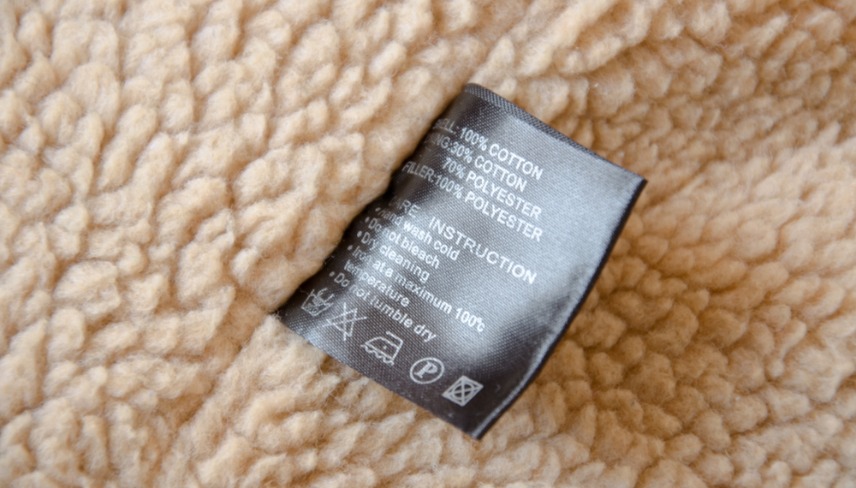
The EU’s JACOP 2025 campaign found 37% of 132 clothing items had incorrect fibre labelling, especially blends and online products. The Commission views this as a systemic compliance issue, signalling stricter enforcement and alignment with future ESPR and Digital Product Passport (DPP) requirements.
On 18 June 2026, the European Commission announced the results of a coordinated market surveillance campaign under the Joint Actions on Compliance of Products (JACOP) 2025 Programme.
What is JACOP?
JACOP stands for Joint Actions on Compliance of Products. It is a European Commission initiative that coordinates market surveillance authorities from different EU Member States to jointly test products for compliance with EU rules. JACOP 2025 is the 2025 cycle of this Programme, covering 11 product categories, with clothing fibre composition as one of the key focuses.
This was the first time the Commission organized a dedicated JACOP action specifically to verify fibre composition claims on clothing through laboratory testing. Market surveillance authorities from Cyprus, Denmark, Finland, Germany, Italy, Lithuania, Malta and Portugal collected 132 clothing samples. A total of 44 tops, 36 baby clothing items, 15 active wear items, 12 night wear garments, 5 scarves and 20 other types of clothing were sampled. They were made from wool, cotton and fibre blends
Key findings:
- 37% of the tested items (49 out of 132) were non-compliant.
- The most common issues were incorrect fibre percentages and, in some cases, undeclared or substituted cheaper fibres.
- Failure rates were significantly higher for blended fabrics — particularly natural and artificial fibre blends (64%) — and for items purchased online (46%).
- Certain categories showed particularly high non-compliance, such as scarves (80%) , tops (54%) and baby clothing (25%).
The Commission described the findings as indicating a systemic issue. Inaccurate fibre labelling not only misleads consumers but can also undermine fair competition and complicate textile recycling, as accurate fibre identification is essential for proper sorting and circularity.
While Member States have always been responsible for enforcing Regulation (EU) No 1007/2011 on textile fibre names and labelling, this coordinated campaign signals increasing regulatory attention on labelling accuracy. Non-compliant products may face corrective actions, including withdrawal from the market or mandatory relabelling. These results are also expected to lead to more market surveillance activity and may influence upcoming requirements under the Ecodesign for Sustainable Products Regulation (ESPR), particularly in relation to the Digital Product Passport (DPP).
Managing compliance risks
Proactive compliance not only protects against enforcement actions but also supports marketing and competitive positioning.
Work with your lab now to review fibre composition testing strategies, strengthen supply-chain controls, and prepare robust documentation that can withstand future scrutiny.
Link to the Market Surveillance Report JACOP 2025 for Consumer Textile Clothing.
If you have any questions, please contact :
Vienna Chow
Dicti Wong

Subscribe to Consumer Products Insight Bulletins
Subscribe now to receive the latest regulatory updates on consumer products safety requirements, market trends, and compliance insights directly to your inbox.

Global Market Access (GMA) Knowledge Portal
Gain instant access to real-time compliance information for 180 product types in over 40 different markets with our Global Market Access platform. Unlock essential resources such as regulatory sheets, test plans, recall summaries, and gap analyses with just a few clicks.