Proven testing. Trusted certification. Faster access to the market when safety matters most.
Accelerate approvals. Build trust. Protect lives.
Intertek’s Life Safety and Security team tests and certifies alarms and detectors to U.S., Canadian, and international standards helping you, enhance customer trust, reduce risk, gain AHJ acceptance, and reach more markets faster. From pre‑compliance through certification and follow‑up inspections, our end‑to‑end programs are recognized worldwide by regulators and retailers.
Why is certification from an OSHA recognized Nationally Recognized Testing Laboratory (NRTL) critical for alarms and detectors?
Certification of alarms and detectors is important because it directly affects life safety, code compliance, market access, and long‑term product reliability.
- Ensures Life‑Safety Performance Under Real Emergency Conditions
Certification confirms that alarms and detectors have been independently tested to recognized safety and performance standards (e.g., UL 217, UL 268, UL 521, UL 2034).
- Certification is required for approval by Authorities Having Jurisdiction (AHJs)
Local inspectors and fire marshals will not approve alarm or detection equipment unless it bears a mark from an NRTL. This makes certification essential for installation in any building subject to fire, electrical, zoning, or safety regulations.
Intertek’s ETL Listed Mark is recognized and accepted by AHJs and code officials throughout the U.S. and Canada as proof of compliance.
- Required for Compliance With National Codes (NFPA 72, NEC, Building Codes)
NFPA 72, National Fire Alarm and Signaling Code, requires that devices have met or exceed testing to applicable standards before they can be installed. Without certification, any device cannot legally be used in most code‑regulated environments.
- Reduces False Alarms and Improves Reliability
Modern standards (e.g., UL 217 10th Edition, UL 268 7th/8th Edition) include advanced testing for nuisance‑alarm resistance and improved fire‑detection performance.
- Mandatory for Market Access in the U.S., Canada, and the EU
Manufacturers cannot legally sell alarms or detectors in many markets without proper certification.
- Provides Ongoing Quality Control Through Factory Inspections
Certification requires periodic follow-up inspections, ensuring continued compliance and preventing unsafe design changes or manufacturing drift, ensuring alarms and detectors remain consistent to certified standards for the entire production lifecycle.
Intertek’s ETL process explicitly includes ongoing surveillance to maintain certification.
Intertek offers comprehensive Alarm & Detector Testing and Certification Services ensuring compliance, safety and market access in Life Safety & Security
Products we test and certify
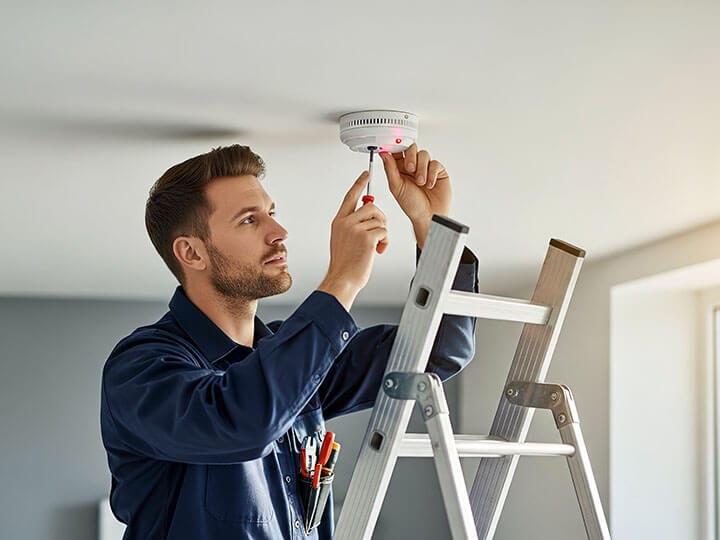
Smoke Alarms (household)
Standards: UL 217 (10th Ed.), ULC‑S531; EN 14604 (EU)
Intertek tests and certifies household smoke alarms to UL 217, ULC‑S531, and EN 14604, evaluating performance, nuisance‑alarm resistance, environmental durability, and compliance with global regulatory requirements. Working with Intertek provides manufacturers faster market access and broad AHJ acceptance through the ETL Listed Mark, ensuring products meet the latest safety and performance expectations for residential fire protection
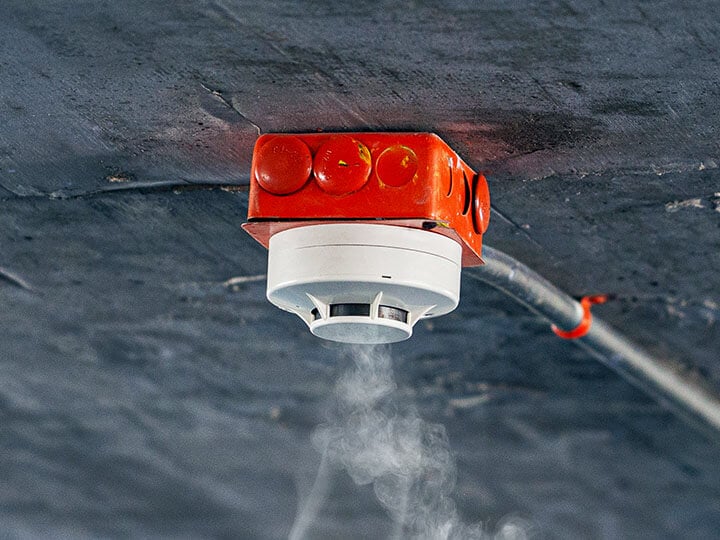
Smoke Detectors (system)
Standards: UL 268 (8th Ed.), CAN/ULC‑S529
Intertek evaluates system‑connected smoke detectors to UL 268 and CAN/ULC‑S529, including multi‑criteria performance, environmental resilience, and NFPA 72–aligned functional testing. Manufacturers benefit from Intertek’s deep code expertise and global accreditation, enabling reliable compliance documentation that speeds approval by fire marshals and building authorities.
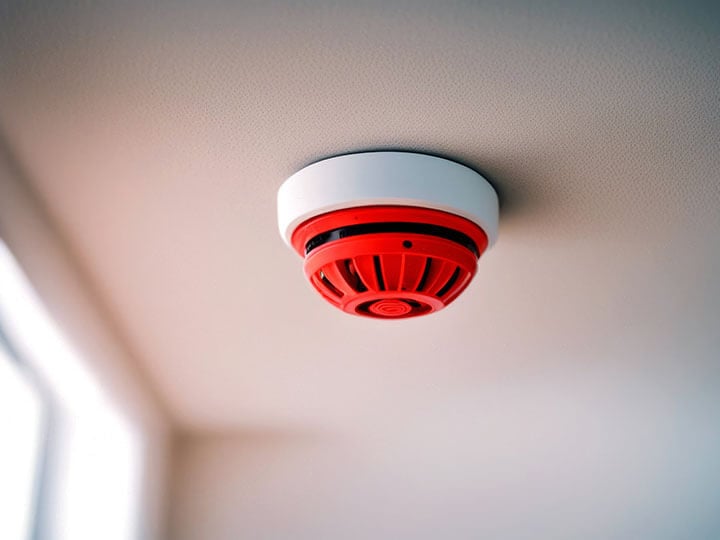
Heat Detectors
Standards: UL 521 (8th Ed.), CAN/ULC‑S530
Intertek tests heat detectors to UL 521 and CAN/ULC‑S530, assessing fixed‑temperature, rate‑of‑rise, and harsh‑environment performance required for fire‑alarm system integration. Partnering with Intertek helps ensure dependable code‑compliant detection in environments where smoke alarms are unsuitable, backed by rapid certification and widely recognized ETL approval.
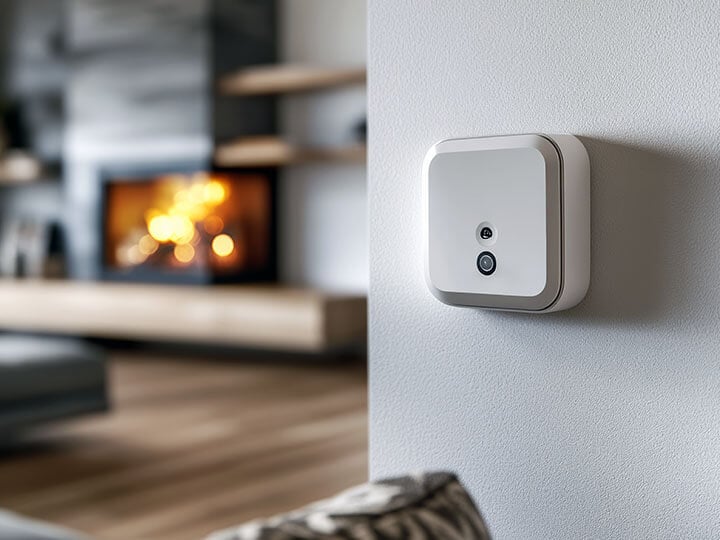
Carbon Monoxide (CO) Alarms
Standards: UL 2034 (5th Ed.)
Intertek certifies CO alarms to UL 2034, verifying CO sensing accuracy, alarm thresholds, response times, environmental performance, and updated labeling requirements. Intertek’s third‑party certification provides strong market credibility and regulatory acceptance, ensuring CO alarms meet critical life‑safety expectations to protect against the “silent killer.”
Fact Sheet Download: Low-Level Carbon Monoxide Alarms and Testing
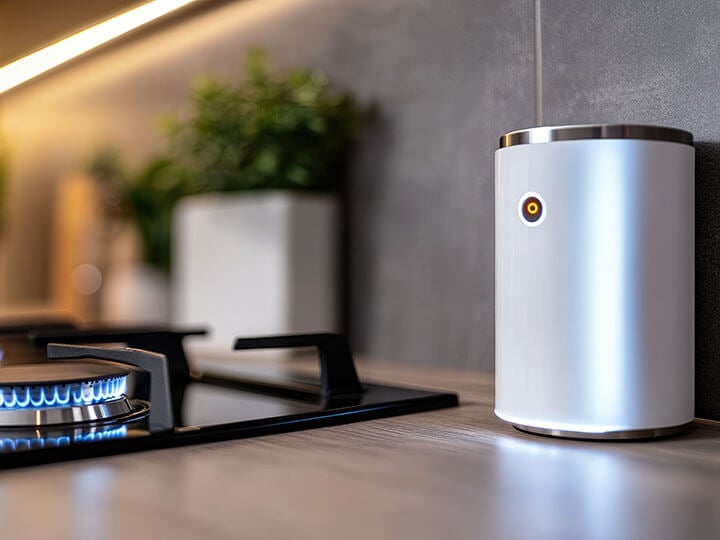
Fuel Gas Alarms (natural gas/propane)
Standards: UL 1484 (6th Ed. “Fuel Gas Alarms”)
Intertek tests fuel‑gas alarms to UL 1484, evaluating gas‑detection sensitivity, corrosion resistance, environmental durability, and LEL‑based threshold performance for residential use. Manufacturers gain confidence knowing Intertek’s certification ensures alarms function reliably in preventing combustible gas hazards, supporting AHJ approval and smoother market entry.
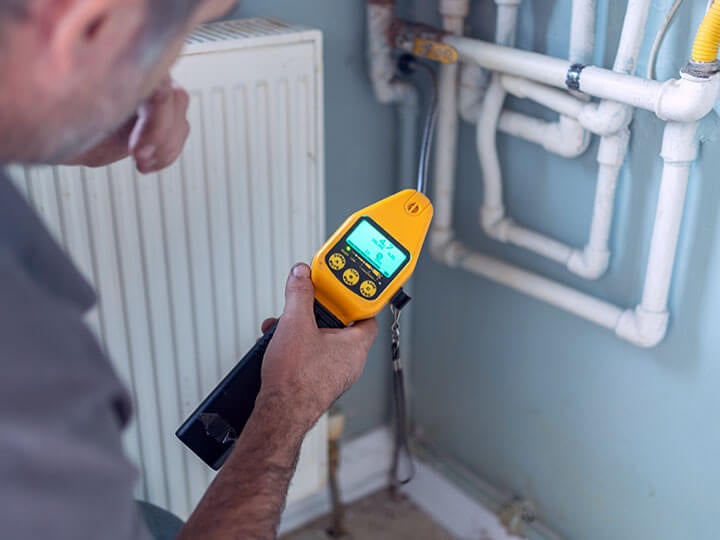
Gas and Vapor Detectors (toxic/combustible)
Standards: UL 2075 (latest revisions include functional safety and marking changes)
Intertek evaluates toxic and combustible gas detectors to UL 2075, testing functional safety, alarm performance, marking requirements, and suitability for environments such as garages, loading docks, and mechanical rooms. Intertek’s rigorous certification helps manufacturers mitigate life‑safety risks by verifying accurate, reliable gas detection that meets code and regulatory expectations.
Fact Sheet Download: Navigating Gas Detector Standards for LSS
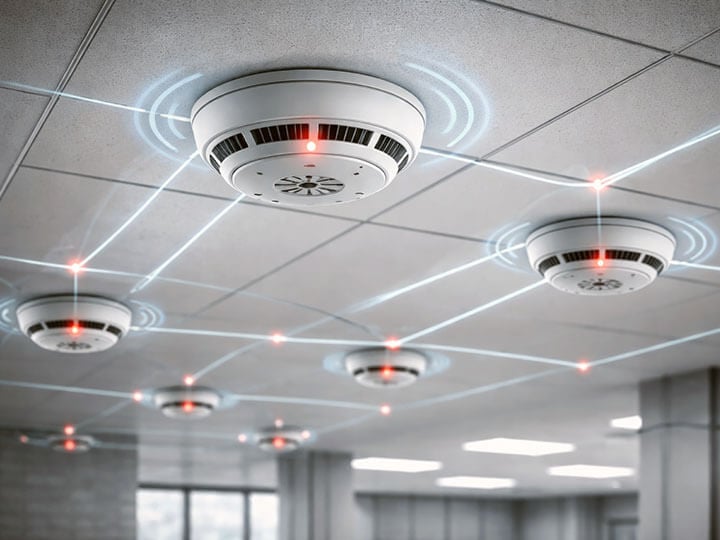
Wireless and IoT connectivity devices (radio + EMC)
FCC Part 15 (unlicensed RF devices) in the U.S. covering emission limits, equipment authorization, labeling, and band‑specific rules.
EU Radio Equipment Directive (2014/53/EU) health/safety, EMC, efficient spectrum use, and delegated cybersecurity obligations for connected radio equipment.
Intertek performs wireless and connectivity evaluations for alarms and detectors under FCC Part 15 and the EU Radio Equipment Directive (RED), including EMC, RF exposure, interoperability, and cybersecurity assessments. By consolidating safety, EMC, and radio testing under one global provider, manufacturers accelerate certification timelines and ensure devices meet all regulatory requirements for modern connected life‑safety products.
Why choose Intertek for alarms and detectors certification?
- Accepted by AHJs and code officials: The ETL Listed Mark shows compliance to national standards and is recognized by authorities across the U.S. and Canada. Intertek is an OSHA‑recognized NRTL.
- Speed and flexibility: Tailored test plans, pre‑compliance, and concurrent programs (e.g., UL/ULC + CE/RED) to shorten time to market.
- End‑to‑end support: Design reviews, cybersecurity considerations aligned with NFPA 72‑2025 developments, factory inspections, and follow‑up surveillance.
- Global market access: In addition to North America, we support EN 14604 for EU placement and multi‑region approvals, easing and speeding your product entry into global markets..
Alarms and Detectors Testing - Frequently Asked Questions
The key difference is how the device is used and where the audible alert is generated.
Alarms are self-contained devices that detect a hazard and provide a local audible warning from the same unit.
- Commonly used in homes and small residential settings
- Example: a smoke or CO alarm that senses smoke and sounds its own alarm
- Typical standards:
- Smoke alarms → UL 217 / ULC S531
- Carbon monoxide (CO) alarms → UL 2034
- Fuel gas alarms → UL 1484
Detectors are part of a system. They sense a hazard and send a signal to a separate fire alarm control panel, which then activates building-wide notification devices (horns, strobes, etc.).
- Used in commercial buildings and larger, integrated fire alarm systems
- Example: a smoke detector that sends a signal to a fire alarm panel, which then triggers alarms throughout the building
- Typical standards:
- Smoke detectors → UL 268 / CAN/ULC S529
- Heat detectors → UL 521 / ULC S530
- Gas/vapor detectors → UL 2075
Yes. The ETL Mark is an NRTL certification mark widely recognized by AHJs and code officials in the U.S. and Canada. Intertek is listed by OSHA as a Nationally Recognized Testing Laboratory.
OSHA lists Intertek and the recognized sites under its NRTL program; your ETL Mark signifies third party certification to applicable safety standards.
Timelines depend on the complexity of your product and its readiness for testing. In general, projects move faster when designs are complete and samples are ready. Intertek works with you through quoting, testing, listing, and certification, with clear communication along the way to help keep things on track.
Intertek periodically publishes Standard Update Notices as well as provides updates through its Life Safety and Security Resources library, which includes fact sheets, webinars, and blog articles covering standards updates/changes and industry guidance.
Yes. Intertek supports connected and IoT-enabled products across cybersecurity, EMC, and wireless requirements. We help align certifications such as FCC (U.S.), RED 2014/53/EU (EU), and other global connectivity and compliance requirements to streamline your product launch and market access.
After testing is complete, Intertek provides a formal test report (CDR/Listing report) documenting compliance, which can be used for factory inspections and AHJ acceptance. Certification includes authorization to use the ETL Mark and ongoing follow-up services to support continued compliance.
Featured on #YoullBeAmazed
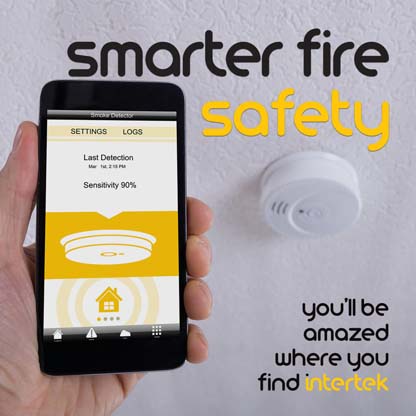
See this post on LinkedIn or learn more about our You'll Be Amazed campaign.
Recent News...
Extending Smoke Alarm Notifications: Why Product Listing and Approval Matter
19 Oct 2026
Why Independent Testing of In-Service Heat Detectors Is a Critical Life Safety Priority
14 Sept 2026
Low-Level Carbon Monoxide Alarms: Advancing Early Detection and Life Safety
10 Sept 2026
Navigating Gas Detector Standards: Combustible, Toxic, and Safety Compliance – Part 5
19 Jun 2026
Navigating Gas Detector Standards: Combustible, Toxic, and Safety Compliance – Part 4
27 Apr 2026
Navigating Gas Detector Standards: Combustible, Toxic, and Safety Compliance - Part 3
23 Feb 2026
What UL 217, 10th Ed./ULC 531 5th Ed. Means for Alarm Manufacturers
06 Jan 2026
Navigating Gas Detector Standards: Combustible, Toxic, and Safety Compliance – Part 2
26 Dec 2025
Navigating Gas Detector Standards: Combustible, Toxic, and Safety Compliance - Part 1
25 Nov 2025
Additional Resources
Learn More – Visit our Knowledge Center
For expert papers, recordings, and presentations, visit our Life Safety and Security Resources hub.
- Nationally Recognized Testing Laboratories (NRTLs) and Safety Markings - webinar
- Life Safety & Security Standards Updates Reference Guide
- Alyssa's Law: LSS Product Approval - fact sheet
- Life Safety & Security Testing, Certification, and Compliance Solutions- fact sheet
- Alarm Service Certification Program - webinar
- ETL Certification Mark: Assurance of Compliance to National Standards - fact sheet
- Vape Detection Sensors: A Holistic Testing Approach - fact sheet
- Becoming a Listed Alarm Service Company - white paper
- Testing and Certification of Heat Alarms and Detectors - fact sheet
- Product Listing & Marking Strategies - white paper
- Becoming a Listed Central Station - white paper

Learn more about our ETL Mark
and certification from Intertek